Virtual Medicine Conference: dive into Medical Extended Reality

Virtual Medicine Conference: dive into Medical Extended Reality
01

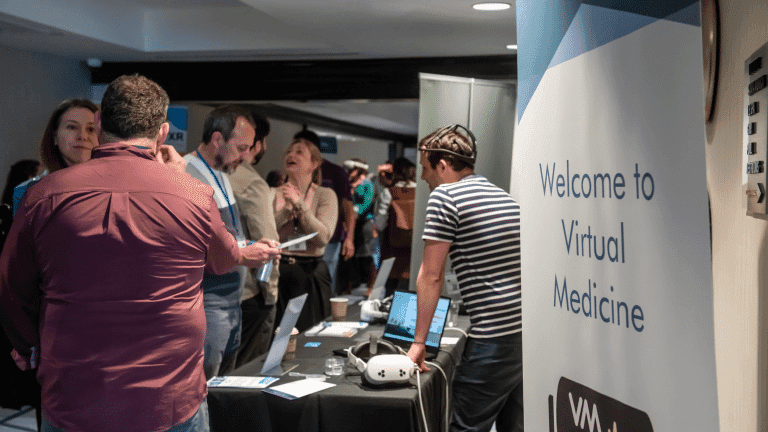
On March 27 and 28, 2025, Neuromind joined the 7th Annual Virtual Medicine Conference in Los Angeles, a key event where clinicians, researchers and innovators shape the future of healthcare through Medical Extended Reality (MXR). Two days to exchange, explore and demonstrate how immersive technologies can enhance care and transform mental health. And for our team, a chance to share our vision and connect with a fast-growing international community.

CONTEXT.

On March 27 and 28, 2025, Neuromind joined the 7th Annual Virtual Medicine Conference in Los Angeles — the Virtual Medicine Conference — a key event where clinicians, researchers and innovators shape the future of healthcare through Medical Extended Reality (MXR). Two days to exchange, explore and demonstrate how immersive technologies can enhance care and transform mental health. And for our team, a chance to share our vision and connect with a fast-growing international community.

02

Virtual Medicine Conference in Los Angeles: harnessing the power of MXR technologies

EVENT.

The Virtual Medicine Conference (VMed) was founded to accelerate the translation of immersive technologies into patient care. Over seven editions, it has grown from a niche workshop into a flagship symposium, drawing attendees from academic centers, hospitals and industry alike.

By zeroing in on Medical Extended Reality, VMed underscores how these tools go beyond entertainment, offering verifiable clinical benefits in diagnostics, therapy and professional training.

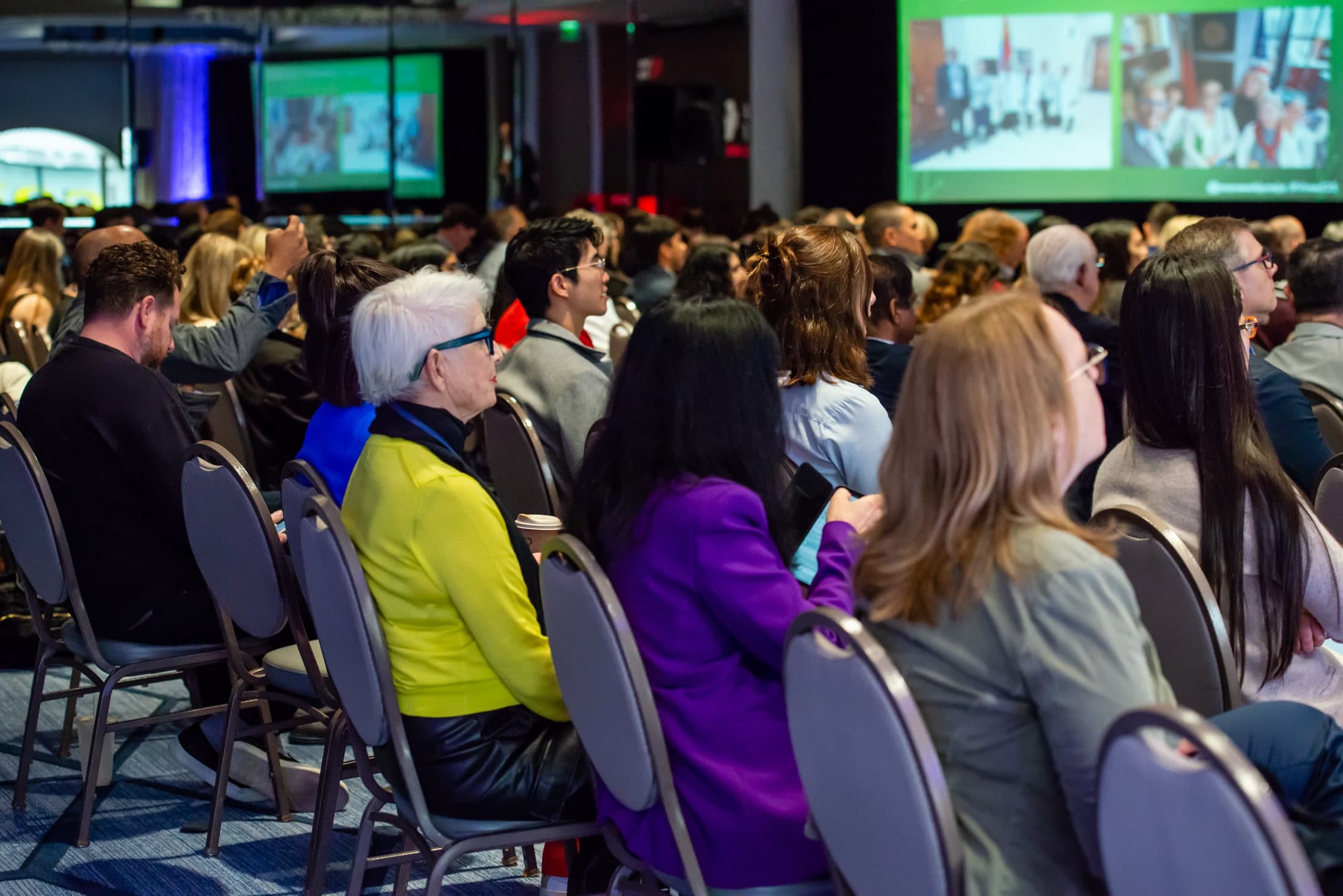
More than 330 attendees took part in this 7th edition, alongside 50+ international speakers and 20+ exhibiting companies, a sign of the field's growing maturity and momentum.
MXR APPLICATIONS.

MXR is increasingly recognized for its potential to support both patients and practitioners. Throughout the 2025 VMed conference, attendees discovered real-world applications of immersive technology, including:

– therapeutic VR environments for anxiety, chronic pain, and post-stroke rehabilitation;

– AR-assisted surgical planning and guidance, overlaying imaging data onto the surgeon's field of view;

– VR-based training modules for clinicians, allowing for high-fidelity simulations in safe, controlled environments.

The diversity of use cases presented at vMed confirmed once again that these technologies are no longer experimental. They are already improving patient care across numerous disciplines. As demonstrated throughout the event, MXR will only thrive if it's clinically valuable, operationally feasible and emotionally meaningful.

Virtual Medicine Conference
OBJECTIVES.

vMed isn't just about showcasing the latest gear, it aims at building a sustainable path forward. This year, the program was structured around five key goals:

– Implement MXR in practice: share best practices and pragmatic tips for integrating immersive tech into workflows.

– Review evidence base: present peer‑reviewed data on safety, efficacy and long‑term outcomes.

– Discuss cost and reimbursement: analyze payer perspectives, cost‑effectiveness models and CPT coding strategies.

– Hear patient perspectives: feature firsthand accounts from individuals who have benefited from MXR therapies.

– Advance provider training: examine MXR's role in clinical simulation and ongoing professional education.

AUDIENCE.

vMed 25 attracted a multidisciplinary audience, including:

– clinicians (neurologists, psychiatrists, surgeons) adopting MXR for direct patient care;

– researchers presenting trials on VR‑induced neuroplasticity and AR guidance systems;

– industry partners developing headsets, haptic feedback devices and software platforms;

– patient advocates and journalists ensuring user‑centric design and broad dissemination of MXR advances.

In this environment, bridges were built between science, care and design.

03

Focus on the Neuromind stand at vMed

MISSION.

At Neuromind, we believe that mental health support should be accessible, engaging and grounded in neuroscience. With that perspective in mind, we've developed a home-based immersive solution designed to support individuals experiencing emotional deregulation.

DMN RESEARCH.

Our research focuses on the Default Mode Network (DMN), often challenged in conditions such as anxiety, depression and Alzheimer's disease. Although effective, traditional mindfulness-based therapies require long-term practice and specialized expertise.

TECHNOLOGY.

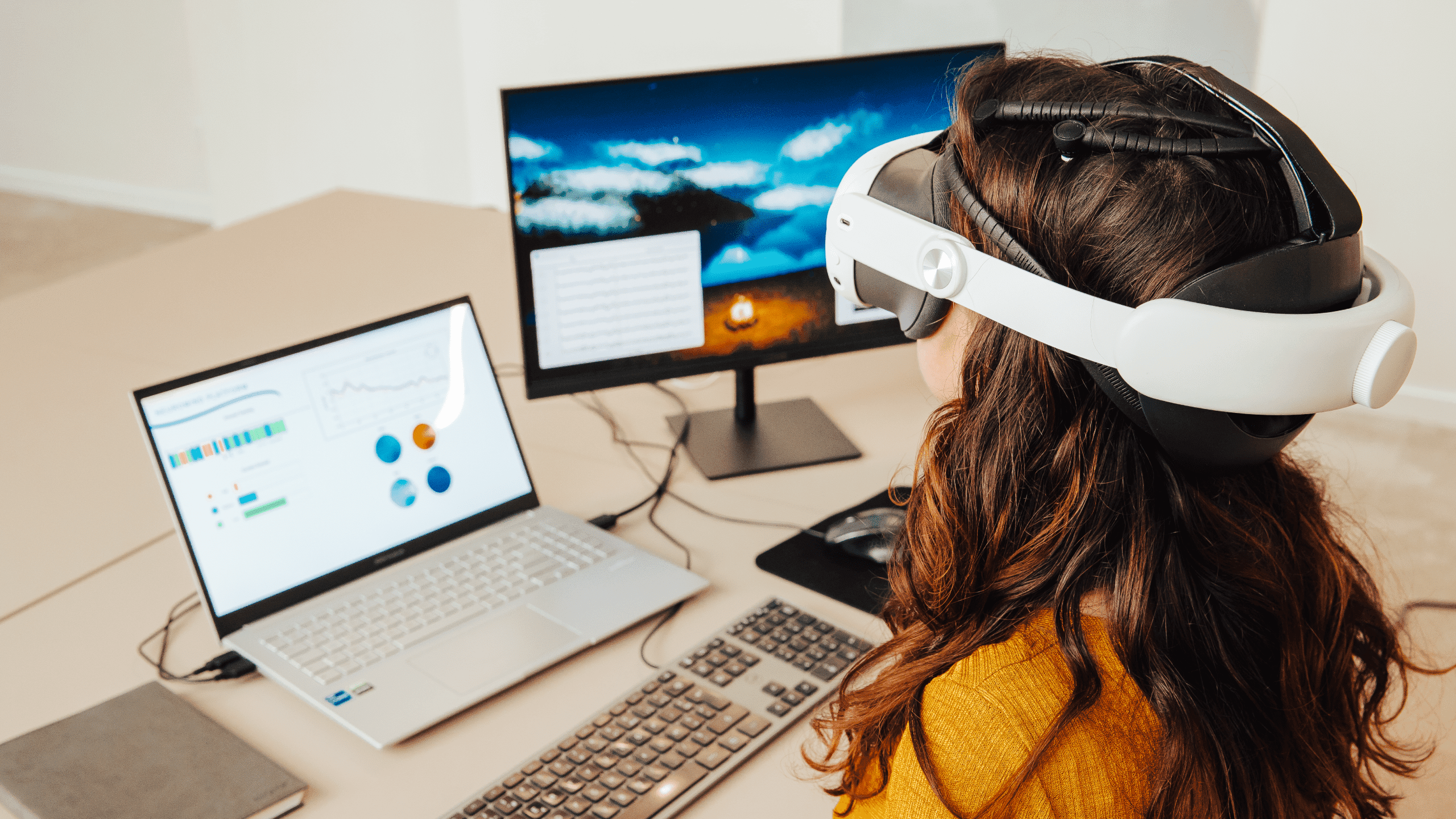
Our technology embodies a new generation of multimodal neurofeedback, helping users learn to regulate their emotional state through a guided, interactive experience. Whether for clinical or research settings, the validation through neurophysiological data makes it a promising and scientifically grounded innovation.

DEMONSTRATION.

Our team was proud to participate in this year's conference with both a scientific poster presentation and a demonstration stand.

Malo Louvigné, CTO, expresses his enthusiasm for this gathering:

"The Virtual Medicine Conference is a leading event in the field of therapeutic virtual technologies. We've followed the pioneering VR research from Cedars-Sinai for years and have attended the conference remotely in the past, so it was especially meaningful for us to showcase Neuromind's latest advances at this year's edition."

Neuromind at the Virtual Medicine Conference
04

The opportunities created by the 7th Annual Virtual Medicine Conference: the recognition of Neuromind's potential

IMPACT.

After our first presentation at the Society for Neuroscience, Neuromind's participation in vMed 2025 marked a milestone in our mission to transform neurocognitive care through immersive technology. The conference provided a platform to:

– gain visibility among leading voices in digital health and neuroscience;

– validate our scientific approach through peer review and direct feedback from experts;

– build strategic partnerships with hardware manufacturers, hospital networks and research teams interested in collaborative studies;

– explore future clinical pathways, including multi-center trials and potential regulatory submissions.

FUTURE.

The recognition received at the Virtual Medicine Conference highlights Neuromind's position at the forefront of immersive neurotherapeutics. We return inspired, encouraged and ready to take the next step in making our technology available to patients worldwide. For more details or to connect with our team, don't hesitate to contact us here.

References

– 7th Annual Cedars-Sinai Virtual Medicine Conference (vMed 25), cedars.cloud-cme.com

– Media Resources, virtualmedicine.org/media/

Contact. If you would like further information or a demonstration of our solution, please contact us using the following link

contact us